

Cucumber Burpless Tasty Green F1
Cucumber Burpless Tasty Green F1
Couldn't load pickup availability
- Handmade in the UK
- Crafted from quality materials
- Made to order
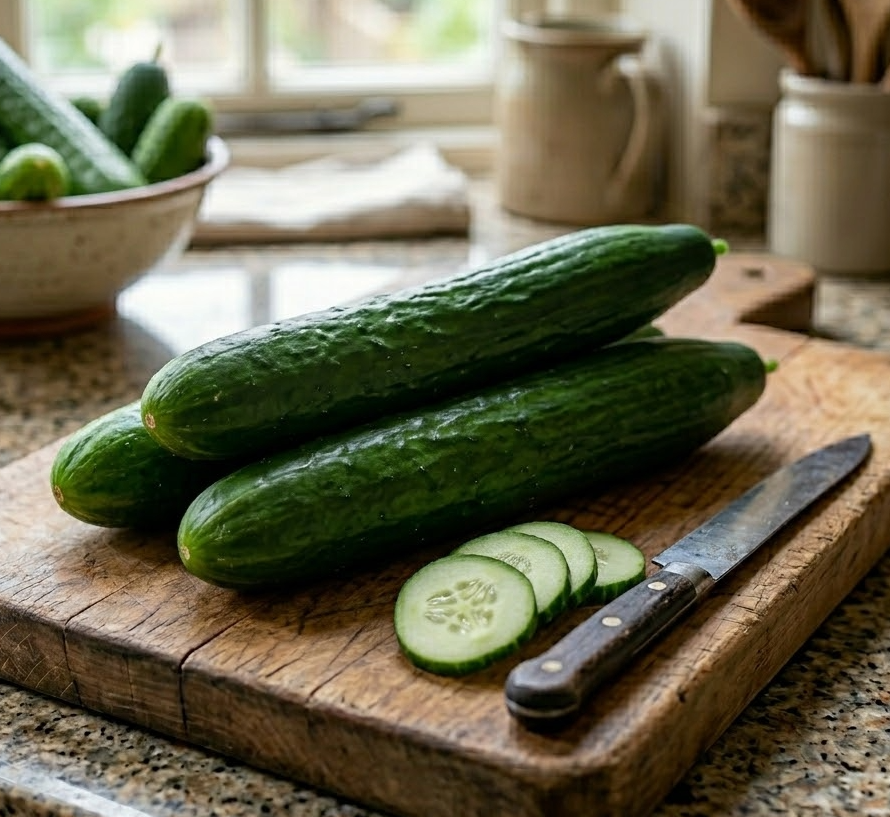
Cucumis sativus 'Burpless Tasty Green' F1 Outdoor-ridge type cucumber, F1 hybrid, bitter-free flavour
The outdoor cucumber that finally delivers greenhouse-quality fruits from a UK garden bed. Burpless Tasty Green F1 produces long, slender, smooth-skinned cucumbers 25–30cm in length, with the crisp clean taste of a glasshouse cucumber but the hardiness to grow outdoors in a sheltered British garden. The "burpless" in the name refers to the genuine reduction in the bitter compounds (cucurbitacins) that cause indigestion in traditional outdoor "ridge" cucumber types — this is a variety bred specifically for digestibility as well as flavour.
The F1 hybrid breeding behind Burpless Tasty Green delivers three significant advantages over traditional outdoor cucumbers: uniformity of fruit (consistent size, shape, and quality across the whole crop), vigour (faster growth, heavier yields), and improved disease resistance. The plants also produce predominantly female flowers, which means more fruit per plant — in many F1 cucumbers, pollination is not required for fruit set at all.
The flavour is exactly what supermarket-conditioned tastes expect from a cucumber: crisp, fresh, mild, with no bitterness and no need to peel. Eat raw, slice into salads, ribbon into Greek yoghurt for tzatziki, juice for the breakfast glass, or pickle. Compared to traditional ridge cucumbers with their bumpier skins and stronger flavours, Burpless Tasty Green is the variety to grow if you want long elegant supermarket-style fruits from your own outdoor garden.
Note: Burpless Tasty Green is an F1 hybrid, so seed saved from your crop will not grow true.
A note on growing
Sow indoors from late April to early May in 7cm pots of seed compost, planting seeds on their edge at 2cm depth — this prevents rot. Germination takes 5–10 days at 20–25°C; cucumbers need genuinely warm conditions to germinate well. Once seedlings show their first true leaves, pot on to 12cm pots to grow on at 18°C minimum.
Plant out in early to mid-June once all frost risk has passed and the soil has warmed to at least 15°C. Choose a sunny, sheltered position — against a south-facing wall or in a polytunnel/greenhouse for earliest crops — in fertile, well-drained soil enriched with well-rotted manure or compost. Allow 60cm between plants in rows 1m apart.
Cucumbers can be grown either trailing (sprawling along the ground, taking up considerable space) or trained vertically up canes, netting, or trellises (saves space and produces straighter fruits). Vertical training is recommended for most UK gardens — tie the main stem to a 1.8m cane and pinch out sideshoots to one or two leaves beyond developing fruits.
Water consistently and generously — cucumbers are 95% water and irregular watering produces bitter, misshapen fruits. Feed weekly with high-potash tomato food from flowering onwards. Mulch around the base to retain moisture.
Harvest from July through to October by cutting fruits with a sharp knife (twisting damages the plant). Pick young and pick often — young fruits are sweeter and more tender, and regular picking dramatically extends the harvest period. A single well-grown plant can produce 20–30 cucumbers across the season.
Where it shines
In the kitchen, this is the everyday cucumber for salads, sandwiches, sliced sticks for hummus, and tzatziki. The mild flavour and crisp texture make it the universal cucumber. Particularly good in summer cocktail garnishes, pickled in spiced vinegar for winter store, juiced with mint and lime, or sliced thin into water for a long cool drink. The thin skin needs no peeling.
In the garden, two plants is usually plenty for a family — the cropping is generous and the season long. For maximum yield, grow against a sunny wall or in a sheltered courtyard where the trapped warmth extends the cropping period into October. Pair with Marketmore 76 for a comparison between traditional ridge type and modern F1 type from the same garden bed.
Plant alongside
Cucumbers benefit from companion planting that attracts pollinators and deters pests. Plant alongside French Marigold 'Spanish Brocade' to deter aphids. Nasturtiums act as decoy crops. Beans nearby fix nitrogen. Dill is an excellent companion that improves flavour and attracts beneficial insects. Avoid planting near potatoes and aromatic herbs like sage that can compete.
Material & Sizing
All of our products are handmade in the UK using carefully selected materials, chosen for durability and suitability for their intended use.
All dimensions are approximate and measured externally.
As each item is handmade, minor variations in size and finish may occur.
This does not affect the strength or intended use of the product.
Materials
- Crafted from quality timber or materials appropriate to the product type
- Designed for strength, stability, and everyday use
- Finished with care to ensure a clean, consistent appearance
(Planters are built using timber suited for outdoor use. Non-Outdoor items use untreated materials where appropriate.)
Sizing
- Dimensions are listed on each product page
- Measurements are approximate due to the handmade nature of our products
- If you need a custom size or have specific requirements, bespoke options are available
If you’re unsure which size or product is right for your space, feel free to get in touch before ordering.
If you have any questions before ordering, feel free to get in touch.
Once your order has been dispatched, you’ll receive a confirmation email with tracking details. You can also view your order status anytime by signing in to your customer account.