


Lemon Balm
Lemon Balm
Couldn't load pickup availability
- Handmade in the UK
- Crafted from quality materials
- Made to order


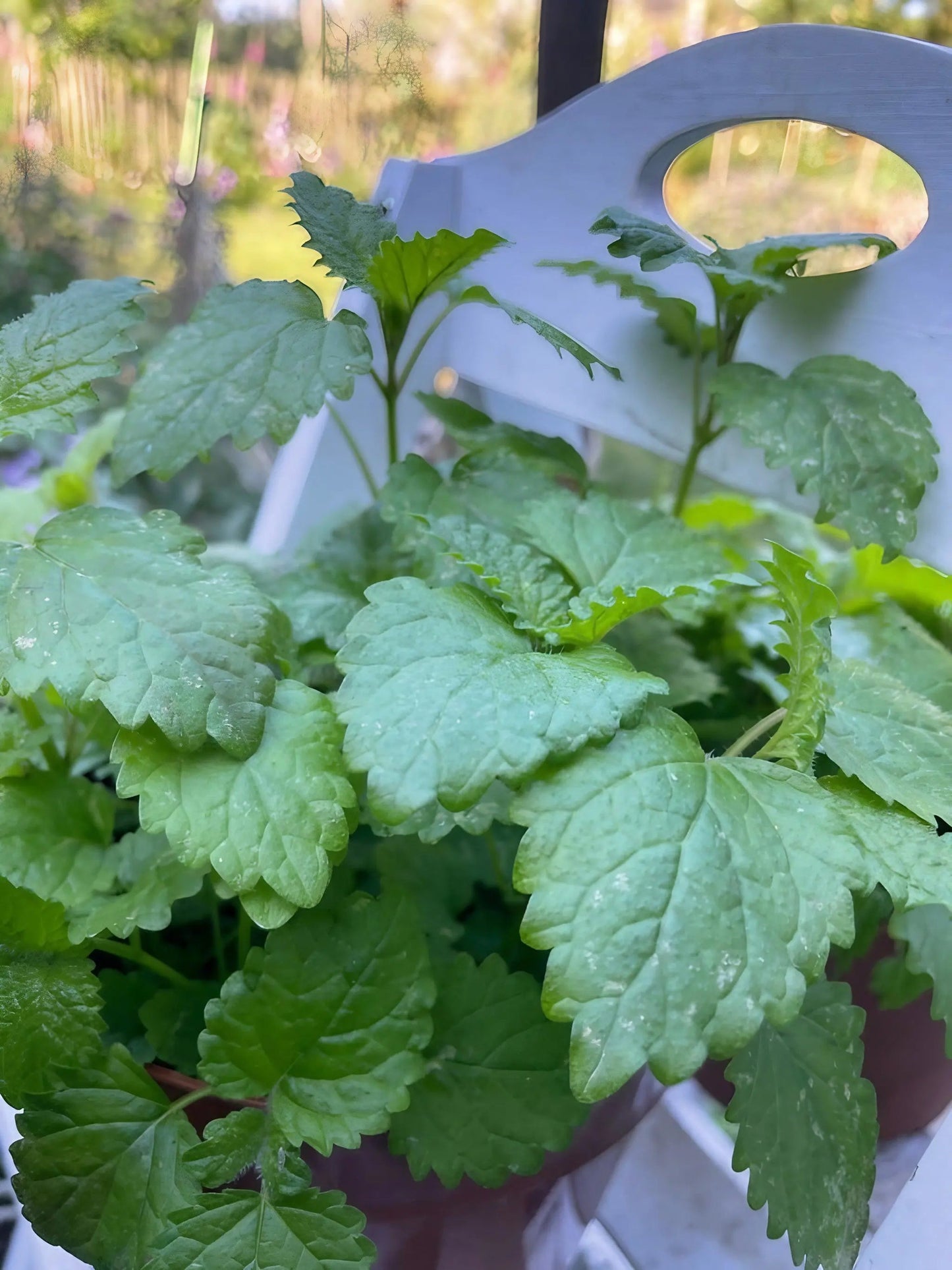
Lemon Balm Seeds
A cloud of pure sherbet-lemon fragrance at every brush. Prized for centuries for calming herbal teas and summer cordials, this vigorous leafy herb is also the ultimate magnet for honeybees.
If you brush past this plant, you are instantly hit with a cloud of pure sherbet-lemon fragrance. Lemon Balm is a vigorous, leafy herb that has been grown in cottage gardens for centuries, prized for its ability to "gladden the heart" and calm the nerves.
While it looks unassuming—resembling a bright green, crinkly mint—it is a powerhouse of flavour. It makes the finest fresh herbal tea (far superior to dried teabags), adds a citrus kick to fruit salads, and is the secret ingredient in many summer cordials. It is incredibly easy to grow, thriving in spots where sun-loving Mediterranean herbs might struggle.
Read More
🌿 Understanding the Plant
Melissa officinalis, commonly known as Lemon Balm, is a robust Hardy Perennial (H7). It is perfectly adapted to the UK climate, surviving temperatures as low as -20°C. It dies back to its woody base in winter and returns with vigorous fresh growth every spring.
The Bee Magnet: The genus name "Melissa" is Greek for "Honeybee." This plant is legendary for its ability to attract pollinators; historically, beekeepers would rub the aromatic leaves inside new hives to encourage a swarm to settle. Planting it near fruit trees or vegetable crops will significantly boost pollination in your garden.
Growth Habit: While it belongs to the mint family, it does not spread by invasive underground runners. Instead, it forms expanding clumps and will self-seed prolifically if the flowers are not removed. It is a well-behaved border plant but thrives just as well in a large patio pot.
🌱 Growing Guide
Lemon Balm is one of the easiest herbs to start from seed, requiring very little intervention to thrive.
How to Sow:
Sow indoors from March to May. Scatter the seeds onto the surface of moist seed compost. Do not cover the seeds with soil (or use only a tiny dusting of vermiculite) as they require light to trigger germination. Keep at 20°C; seedlings typically appear in 10-20 days.
Where to Plant:
They are remarkably unfussy, growing well in full sun or partial shade. Unlike Mediterranean herbs like Lavender, Lemon Balm prefers soil that retains some moisture. This makes it an excellent choice for UK clay soils or those slightly damper, cooler corners of the garden where other herbs might fail.
Ongoing Care:
To maintain a supply of fresh, sherbet-scented leaves, shear the plant back hard after it flowers in mid-summer. Water well, and it will quickly reward you with a second flush of bright green foliage for autumn harvesting. To prevent it from spreading throughout your garden, remove the flower spikes before they turn brown and drop their seeds.
📋 Plant Specifications
| Botanical Name | Melissa officinalis |
| Common Name | Lemon Balm |
| Plant Type | Hardy Perennial |
| Hardiness | H7 (Ultra Hardy) |
| Light Requirements | Full Sun / Part Shade ⛅ |
| Height | 60cm - 80cm |
| Spread | 45cm |
| Spacing | Plant 45cm apart |
| Harvest Period | May to October |
| Perfect For | 🫖 Fresh Herbal Teas 🐝 Ultimate Bee Magnet 💆 Relaxation & Aromatherapy 🍰 Edible Cake Garnishes |
| Seeds per Packet | Approximately 200 seeds |
🤝 Beautiful Garden Combinations
Lemon Balm is a verdant, leafy star that pairs perfectly with other tea herbs and fruiting plants from our range:
- 🍬 Peppermint: The Tea Garden. Plant Lemon Balm and Peppermint in separate containers side-by-side. They are the two essential flavours for fresh herbal infusions and look lush and leafy together on a patio.
- 🍓 Strawberries: The Productive Mix. Lemon Balm attracts essential pollinators which can help increase your fruit yield. Plus, the combination of lemon and strawberry flavours is a match made in kitchen garden heaven.
📅 Sowing & Harvesting Calendar
Sow indoors in spring for a year-round supply of calming, lemon-scented leaves.
💇 The Summer Chop
After the plant flowers in mid-summer, it can sometimes look a little tired. Cut it right back to the ground and water it well; it will quickly reward you with a fresh flush of bright green, sherbet-scented leaves for autumn.
🏆 RHS Plants for Pollinators
Lemon Balm is one of the most valuable nectar sources for British bees. Listed on the RHS Plants for Pollinators list, its tiny flowers are a hive of activity during the summer months.
📖 Want more detailed growing advice?
View our Complete Growing Guide for Culinary Herbs →
Material & Sizing
All of our products are handmade in the UK using carefully selected materials, chosen for durability and suitability for their intended use.
All dimensions are approximate and measured externally.
As each item is handmade, minor variations in size and finish may occur.
This does not affect the strength or intended use of the product.
Materials
- Crafted from quality timber or materials appropriate to the product type
- Designed for strength, stability, and everyday use
- Finished with care to ensure a clean, consistent appearance
(Planters are built using timber suited for outdoor use. Non-Outdoor items use untreated materials where appropriate.)
Sizing
- Dimensions are listed on each product page
- Measurements are approximate due to the handmade nature of our products
- If you need a custom size or have specific requirements, bespoke options are available
If you’re unsure which size or product is right for your space, feel free to get in touch before ordering.
If you have any questions before ordering, feel free to get in touch.
Once your order has been dispatched, you’ll receive a confirmation email with tracking details. You can also view your order status anytime by signing in to your customer account.