


Marjoram Sweet
Marjoram Sweet
Couldn't load pickup availability
- Handmade in the UK
- Crafted from quality materials
- Made to order


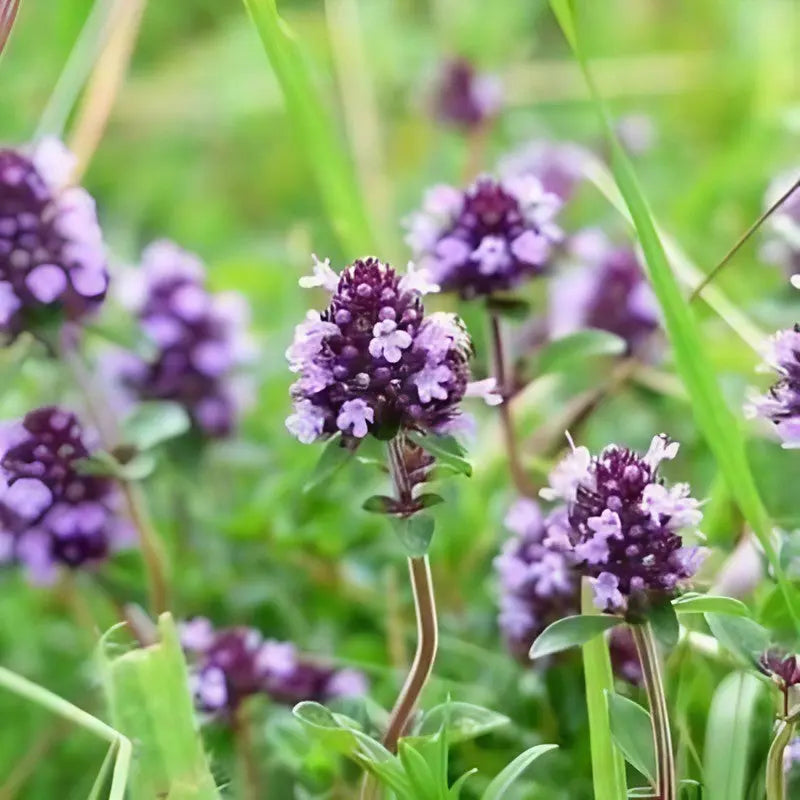
Sweet Marjoram Seeds
Aromatic, soft velvet leaves with a complex floral perfume of pine and citrus. This classic 'Sunday Roast' herb forms a neat bushy mound and is a late-summer star for honeybees and hoverflies.
While Greek Oregano is spicy and peppery, Sweet Marjoram is complex, floral, and perfumed, with hints of pine and citrus. It is the defining flavour of a traditional English garden, essential for high-quality sausages, roast meats, and the ultimate sage-and-onion stuffing.
Often called "Knotted Marjoram" because of its cute, knot-like flower buds, it forms a neat, bushy mound of soft, grey-green velvet leaves. Because it is so aromatic, it is fantastic for drying, retaining its scent for months in potpourri or spice jars.
Read More
🌿 Understanding the Plant
Origanum majorana is a Half-Hardy Perennial (H2), usually grown as an annual in the UK. Unlike its bulletproof relative, Oregano, Sweet Marjoram is highly sensitive to the cold and will not survive a typical British winter outdoors.
The Aromatic Secret: Marjoram develops its best flavour when grown "hard"—meaning it prefers poor soil and only a moderate amount of water. Over-pampering the plant results in fast, soft growth that lacks the high concentration of perfumed essential oils found in the grey-green leaves of a sun-baked plant.
The "Knots": The plant earns its common name from the unique, tight flower buds that look like tiny green knots. These appear in late summer and are themselves a vital nectar source for bees and hoverflies.
🌱 Growing Guide
Marjoram seeds are exceptionally small and require light to germinate, so surface sowing is essential for success.
How to Sow:
Sow indoors from March to May. Scatter the fine seeds onto the surface of moist, free-draining seed compost. Do not cover the seeds with soil—light is needed to trigger the sprouting process. Keep at a consistent 15-20°C; seedlings usually emerge in 10-14 days.
Where to Plant:
They demand full sun and a warm, sheltered spot. They thrive in well-drained, sandy soil and hate having "wet feet." This makes them ideal candidates for terracotta pots on a sunny patio or the top of a well-drained kitchen garden bed.
Ongoing Care:
Pinch out the tips of the stems in early summer to encourage the plant to stay bushy and prevent it from flowering too early. To dry Marjoram for the winter, harvest the stems just as the "knots" (buds) appear but before they open—this is when the perfumed oils are at their most intense.
📋 Plant Specifications
| Botanical Name | Origanum majorana |
| Common Name | Sweet Marjoram / Knotted Marjoram |
| Plant Type | Half-Hardy Perennial |
| Hardiness | H2 (Frost tender) |
| Light Requirements | Full Sun ☀️ |
| Height | 30cm - 40cm |
| Spread | 30cm |
| Spacing | Plant 25cm apart |
| Harvest Period | June to September (Fresh) |
| Perfect For | 🍖 Sunday Roasts 🐝 Pollinator Friendly 🏺 Terracotta Pots 🍂 Drying for Winter |
| Seeds per Packet | Approximately 300 seeds |
🤝 Beautiful Garden Combinations
Marjoram is a Mediterranean classic that pairs perfectly with other sun-worshipping herbs from our collection:
- 🌿 Sage (Broad Leaved): The Stuffing Duo. Marjoram and Sage are the two essential herbs for traditional English roasts. Plant them together in a sunny container for a convenient "Sunday Lunch" herb station right outside your door.
- 🧱 Thyme (Common): The Dry Border. Both Thyme and Marjoram are low-growing, small-leaved plants that love lean, dry soil. They look beautiful growing side-by-side in a gravel garden or rockery.
📅 Sowing & Harvesting Calendar
Sow indoors in spring for a summer-long supply of fragrant, culinary leaves.
🍖 Winter Protection
Sweet Marjoram is not frost-hardy in the UK. If you want to keep your plants over winter, lift them in September and move them into a frost-free greenhouse or a bright kitchen windowsill.
🏆 RHS Plants for Pollinators
Sweet Marjoram is a late-summer star for British biodiversity. Listed on the RHS Plants for Pollinators list, its tiny flowers are absolutely packed with high-quality nectar, attracting a huge range of honeybees and hoverflies.
📖 Want more detailed growing advice?
View our Complete Growing Guide for Culinary Herbs →
Material & Sizing
All of our products are handmade in the UK using carefully selected materials, chosen for durability and suitability for their intended use.
All dimensions are approximate and measured externally.
As each item is handmade, minor variations in size and finish may occur.
This does not affect the strength or intended use of the product.
Materials
- Crafted from quality timber or materials appropriate to the product type
- Designed for strength, stability, and everyday use
- Finished with care to ensure a clean, consistent appearance
(Planters are built using timber suited for outdoor use. Non-Outdoor items use untreated materials where appropriate.)
Sizing
- Dimensions are listed on each product page
- Measurements are approximate due to the handmade nature of our products
- If you need a custom size or have specific requirements, bespoke options are available
If you’re unsure which size or product is right for your space, feel free to get in touch before ordering.
If you have any questions before ordering, feel free to get in touch.
Once your order has been dispatched, you’ll receive a confirmation email with tracking details. You can also view your order status anytime by signing in to your customer account.